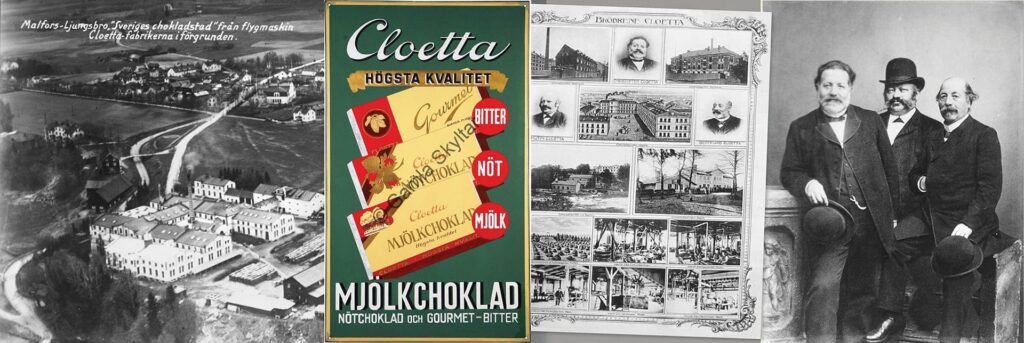
The three Swiss brothers Bernhard, Christoffer, and Nutin Cloëtta founded the company “Brødrene Cloëtta” for the production of chocolate and confectionery in Copenhagen. In 1873, the brothers established Sweden’s first chocolate factory in Malmö. Many of the foremen were specialists from Poland, Spain, England, Germany, and Russia, bringing with them new recipes that the Cloëtta brothers were the first to introduce in Sweden
1862
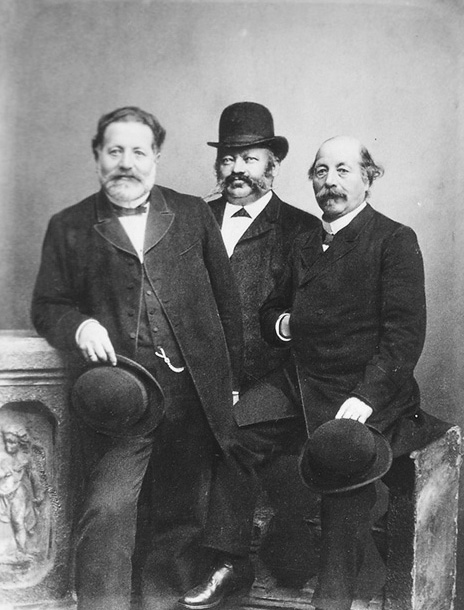
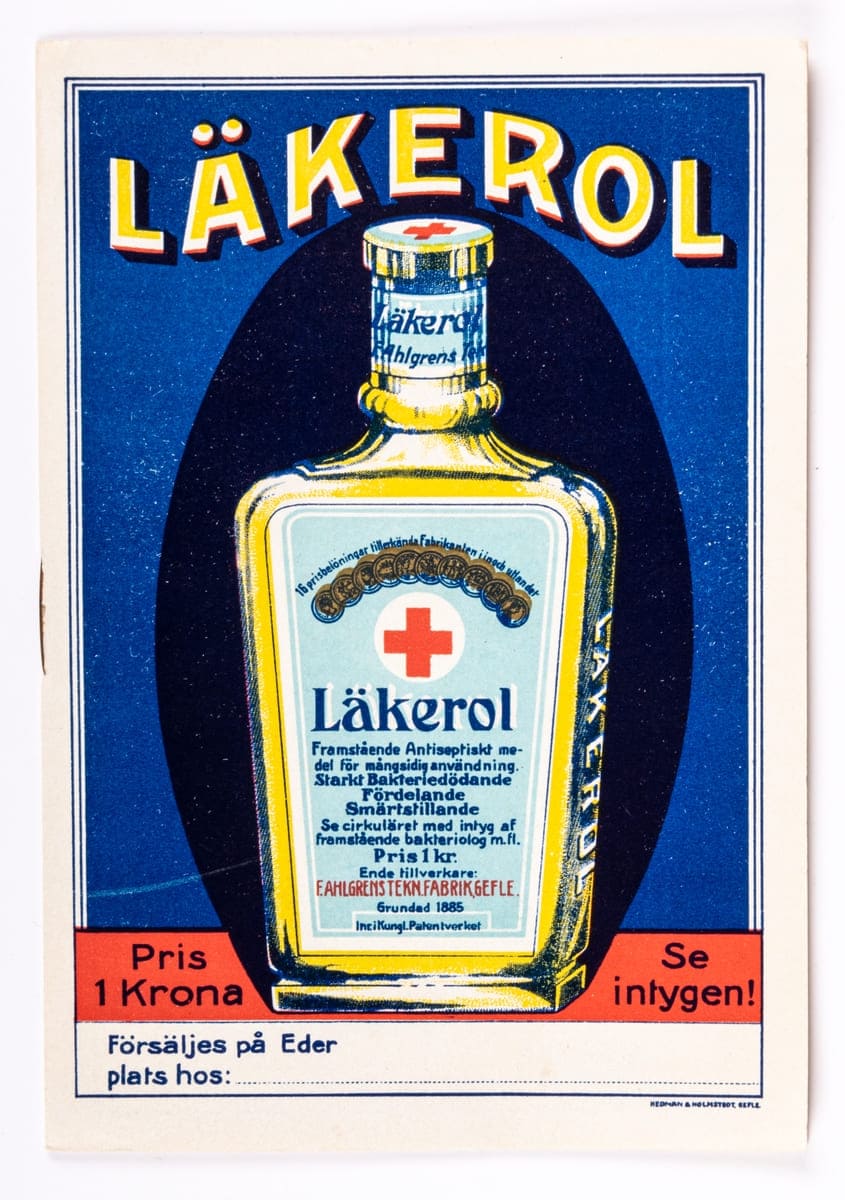
The company F. Ahlgren, a chemical‑technical enterprise, was founded in Gävle. Its founder, Fredrik Ahlgren, was a man full of ideas. The product range expanded quickly and included perfumes, medicinal products, and eventually an award‑winning writing ink. After Fredrik’s passing in 1907, his brother Adolf continued to run the company
1885
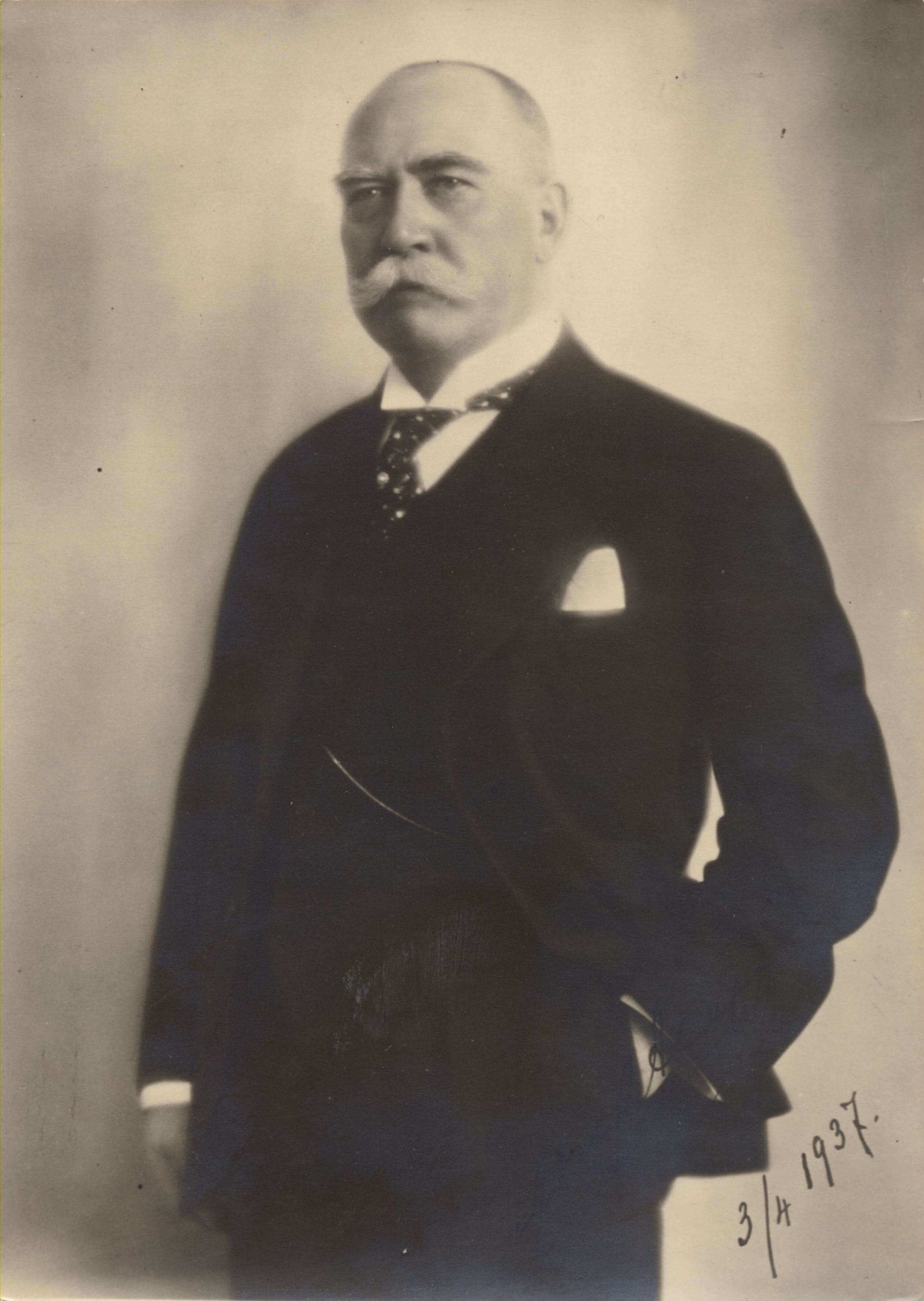
Production began in Ljungsbro when manufacturing was moved from Malmö, and a new community began to take shape. Over time, Ljungsbro developed into a company town built around Cloetta’s operations. Housing was constructed for employees, followed later by child care facilities and a medical clinic
1902
Lagerman Junior was founded in Copenhagen as a trading company, originally offering household goods such as scouring powder and flycatchers. From 1911 onward, Lagerman Junior became responsible for the sale of Läkerol in the Danish market
1905
During a visit to the Leipzig Fair, Adolf Ahlgren discovered a throat lozenge that he brought back to Sweden and launched on the market. The lozenge, named Läkerol, quickly became popular, and exports began the following year to Denmark, soon followed by Norway and Finland. Ahlgren borrowed the name Läkerol from another product already in his assortment—a liquid antiseptic that was claimed to cure a wide range of ailments
1909
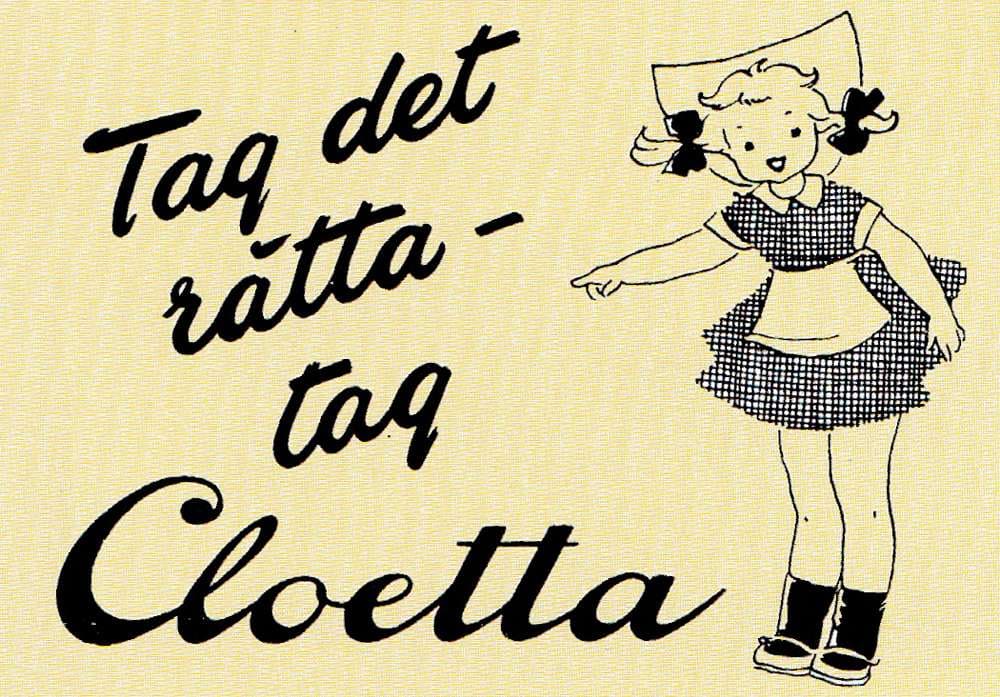
The slogan “Choose the right one – choose Cloetta,” coined this same year, has become one of Sweden’s most iconic advertising phrases. Around the same time, the Cloetta Girl was introduced—dressed in her blue‑checkered dress and white bonnet, she represented Cloetta in many contexts for decades
1921
Malmö Lakrits Compani (Lakritsfabrik AB) began operations in facilities on Lundavägen in Malmö. The founder of this first specialty licorice factory in Sweden was Jörgen Mörkeberg. As the name suggests, the company produced licorice products—such as licorice pipes and strings, both of which remain in the assortment today. The name “Malaco” is derived from the initial letters of Malmö Lakrits Compani
1934
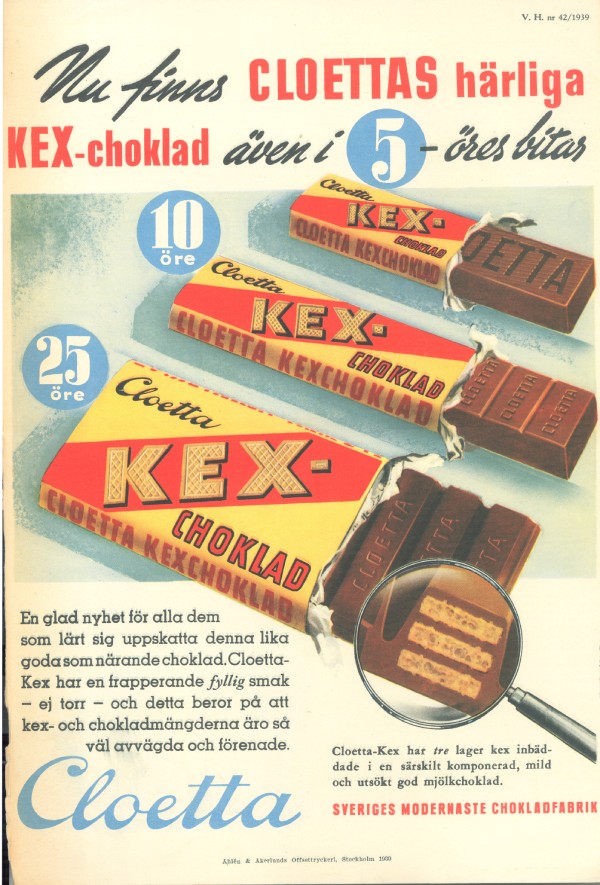
Kexchoklad made its debut. The chocolate‑covered wafers were first produced in 1921 under the name “Five o’clock kex‑choklad,” positioned as an afternoon snack. In 1938, the product received the name we still know today—Kexchoklad
1938
Ahlgrens bilar - Sweden's most bought car - was introduced. Initially sold individually as “one‑öre cars,” the product was soon launched in bags. While the packaging has been modernized several times over the years, the cars themselves have retained their unique taste, texture, and design
1953
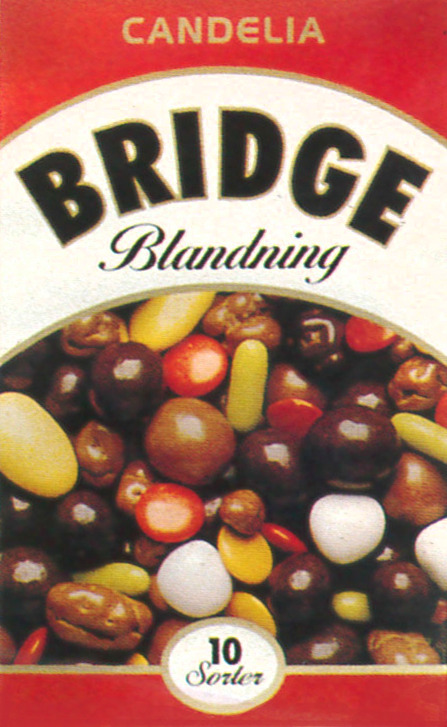
Bridge was introduced to the market. According to company lore, the mix originated when a group of employees played bridge during their lunch break while snacking on an assortment of products made in the factory. Someone suggested launching the assortment as a mixed bag—and just like that, Bridge Original was born
1966
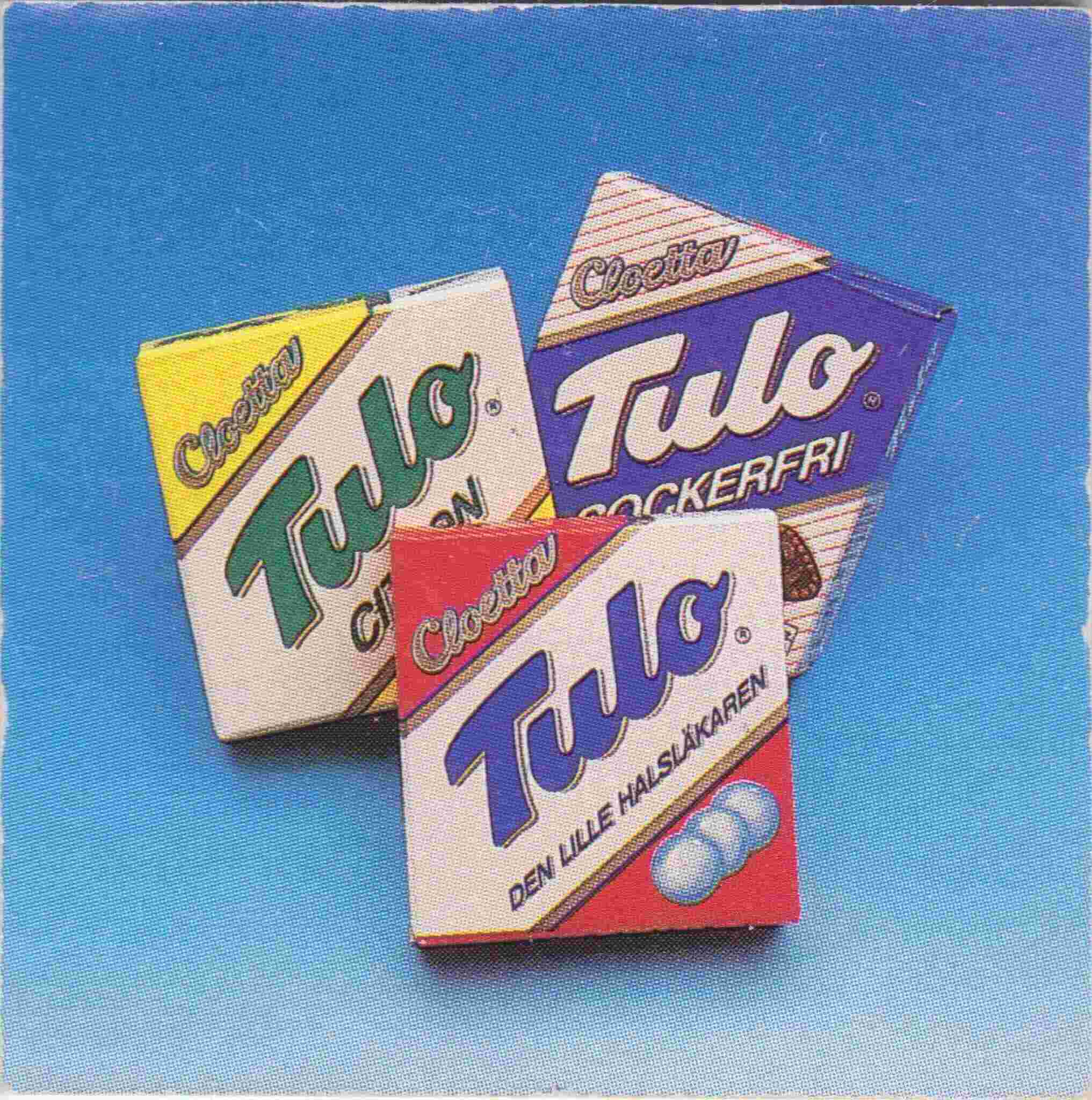
Choklad‑Thule merged with Cloetta. Well‑known brands from Choklad‑Thule included Tulo, Mums‑Mums, Mellanmål (now Sportlunch), and Romerska Bågar
1971
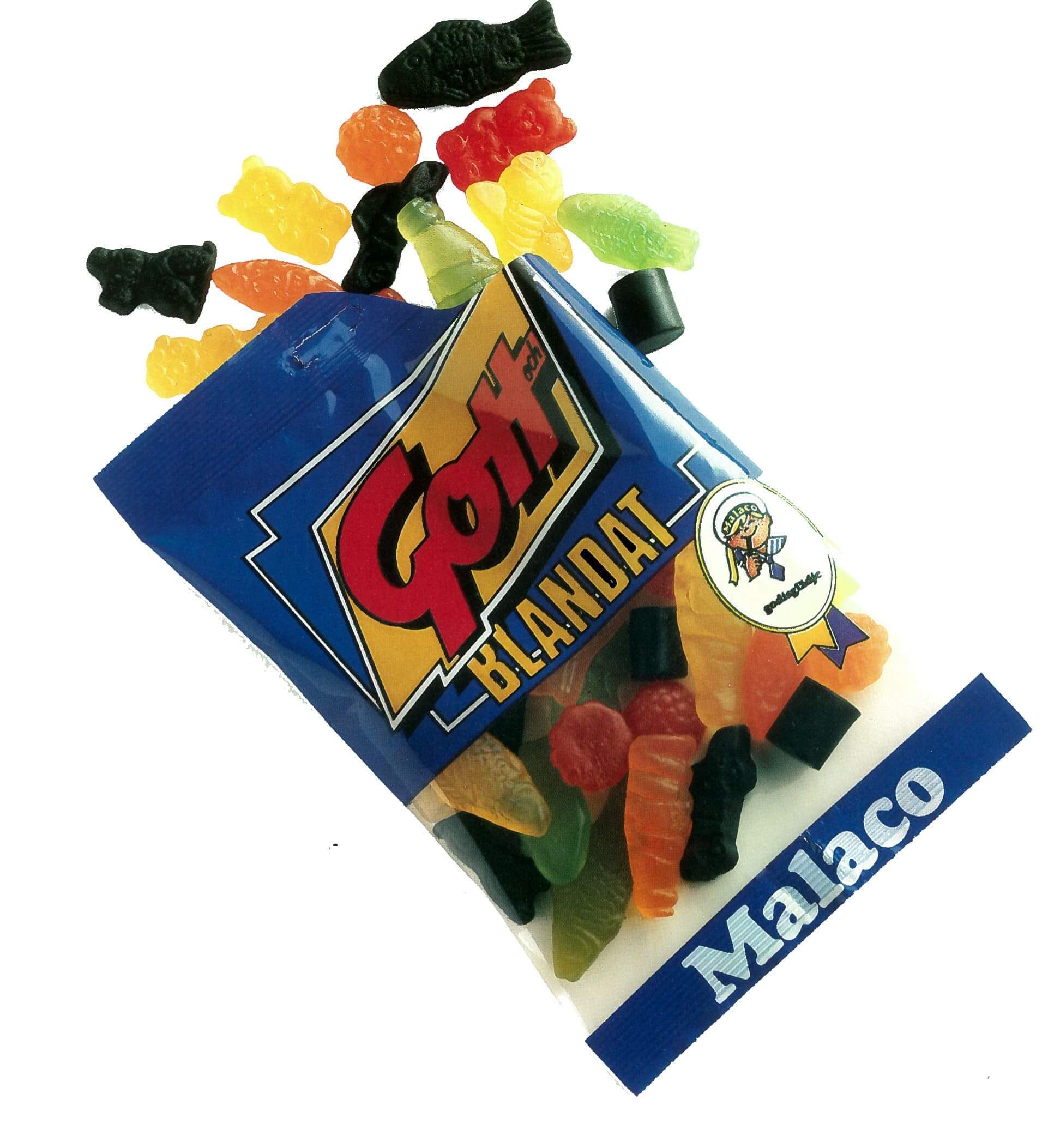
One of our most popular products—Gott & Blandat—was launched. Originally, it was created from leftover candy in production. After packaging pick‑and‑mix candy, there were often 50–100 kilos of assorted pieces remaining. These were mixed and packaged into bags, giving the product its name. The production manager called it a “living mix,” meaning the contents could vary significantly from batch to batch. Today, the mix follows precise recipes, yet still lives up to its name
1979
Cloetta merged with Fazer Confectionery. With the formation of Cloetta Fazer, the company became the largest chocolate and confectionery player in the Nordic region. Together, the Cloetta Fazer Group employed 3,000 people
2000
In 2008, Cloetta and Fazer separated, and in 2012 Cloetta merged with LEAF. At the time, LEAF owned brands such as Läkerol, Ahlgrens bilar, Malaco, Jenkii in Finland, and Sportlife in the Netherlands. With the “new” Cloetta gaining a significant international presence, the headquarters was established in Stockholm
2012
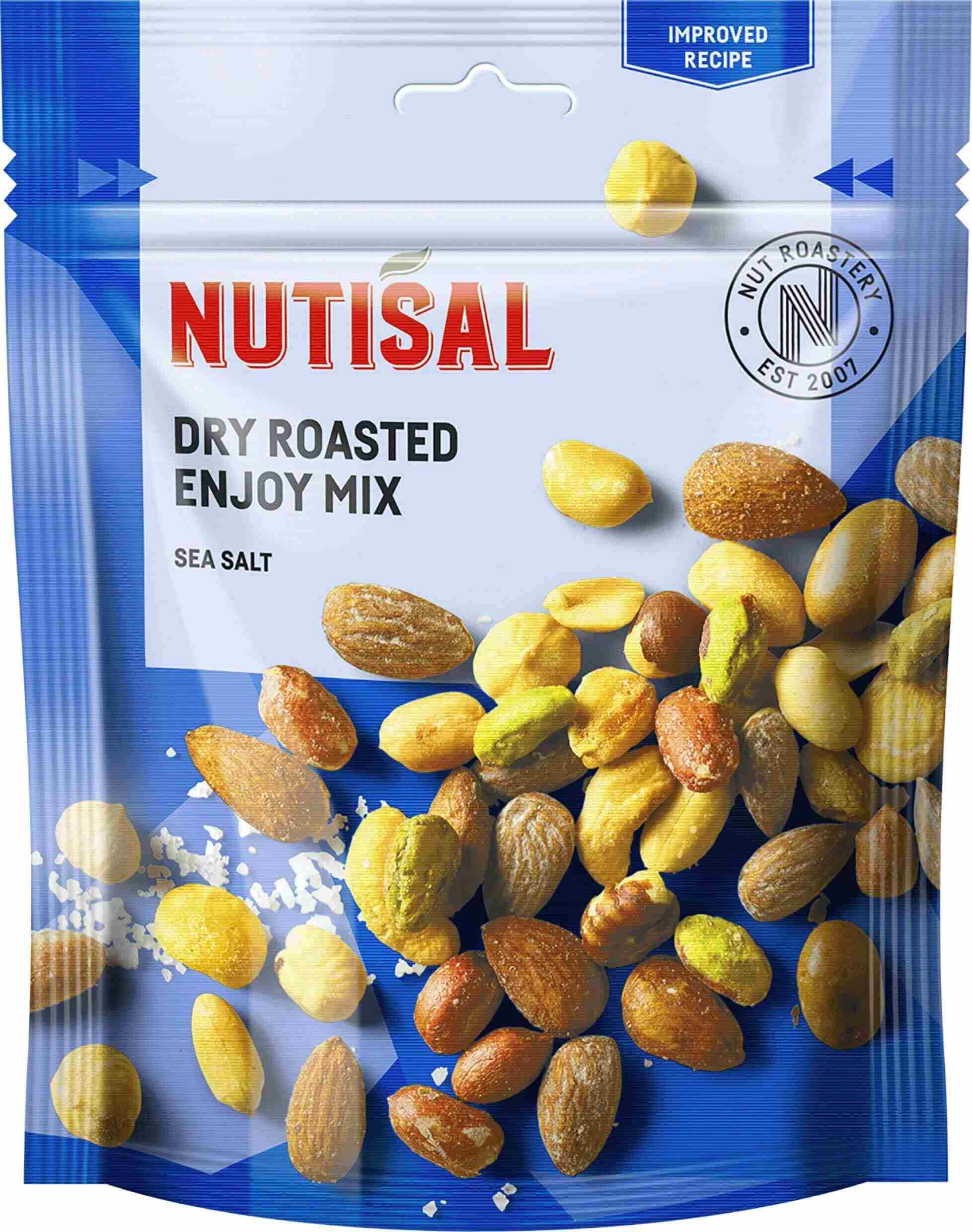
Cloetta acquired Nutisal, a brand with origins in Lebanon, where Moussa Rifai opened his first shop selling dry‑roasted nuts in 1948. The expertise in roasting and seasoning nuts has been passed down ever since, and since 2014 has been part of the Cloetta Group
2014
Cloetta acquired "Karamellkungen", which was subsequently renamed CandyKing. Today, CandyKing is the leading supplier of pick‑and‑mix candy in Europe. Since its founding in 1984, CandyKing has filled stores around the world with more than 500 varieties of candy
2017
Cloetta launched a new sustainability agenda encompassing areas across the entire value chain where the company can make a meaningful impact. This includes offering consumers greater choice through more vegan options, reduced‑sugar and sugar‑free alternatives, lactose‑free products, and new packaging sizes, as well as increasing our social impact through partnerships and committing to the Science Based Targets initiative
2020